Master Motion Control AI: Advanced Techniques for 2026 Video Creation
Understanding Motion Control AI Technology
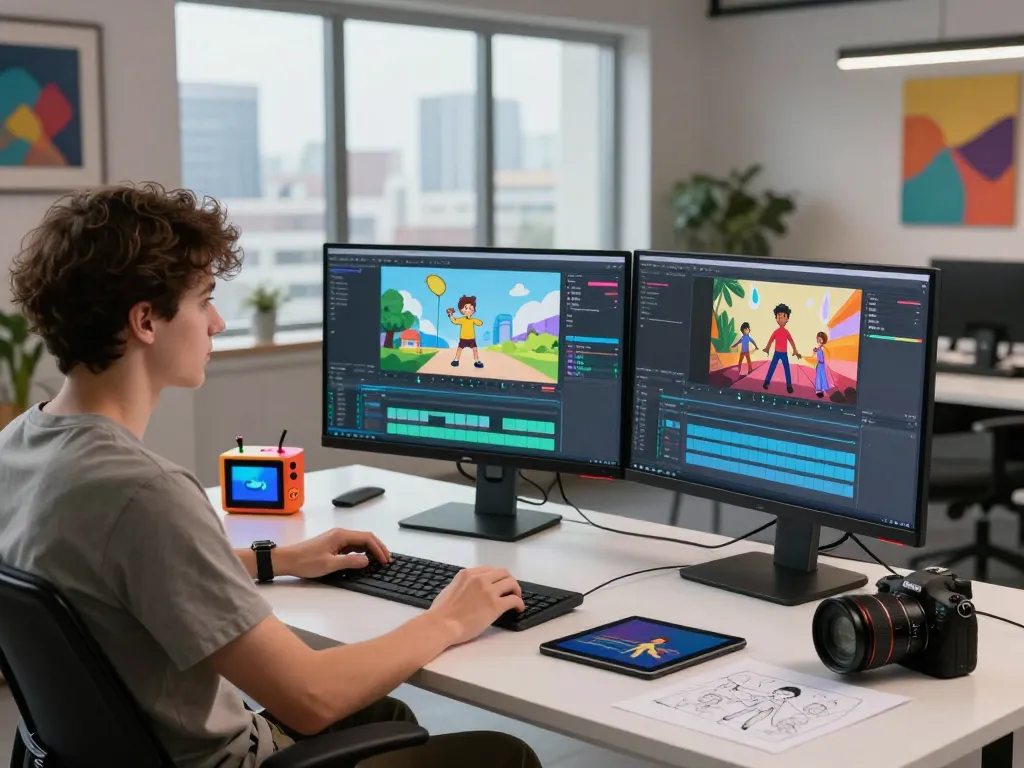
The landscape of digital content creation is rapidly evolving, particularly with the introduction of advanced Motion Control AI technologies like Kling 2.6. These developments have revolutionized how creators can manipulate motion, making it more intuitive and accessible than ever before. With the ability to transfer motion from real video to static images seamlessly, creators can now produce high-quality animated content in a fraction of the time it would traditionally take. The advent of motion control ai transforms ordinary visuals into dynamic stories, empowering users regardless of their animation experience.
What is Motion Control AI?
Motion Control AI leverages sophisticated algorithms and machine learning to recognize and replicate movements captured in video footage. This technology analyzes intricate details, such as joint movements and timing, then applies these motion vectors to still images or 3D models. By doing so, it allows for the creation of animations that are not just visually engaging but also realistic and fluid. This contrasts sharply with traditional animation methods that often rely on tedious keyframing and manual adjustments.
The Evolution of Motion Control Techniques
Historically, animation was a labor-intensive process requiring skilled artists to handcraft each frame. The introduction of computer-generated imagery (CGI) marked a significant shift, allowing for more efficient production cycles. However, even with CGI, animators still faced limitations in mimicking realistic movements. Motion Control AI is the next step in this evolution, utilizing data from real-world movements to enhance the authenticity of animations. As this technology continues to advance, we can expect to see even more impressive applications across various sectors, from film and gaming to marketing and education.
Key Benefits of Using Motion Control AI
- Time Efficiency: Reduces the time spent on manual animations, allowing creators to focus on storytelling.
- Enhanced Realism: Provides lifelike motion that enhances viewer engagement.
- Accessibility: Lowers the barrier to entry for aspiring animators and filmmakers.
- Creative Flexibility: Offers diverse tools for manipulating animations, including customizable orientation modes.
How Kling 2.6 Enhances Video Production
Introduction to Kling 2.6 Features
Kling 2.6 is at the forefront of Motion Control AI technology, designed to leverage user-friendly interfaces and powerful capabilities. This version offers advanced features such as full-body precision, detailed limb control, and flexible character orientation modes. By simplifying complex processes, Kling 2.6 makes it possible for even novices to create professional-grade animations without extensive training.
Step-by-Step Guide to Using Kling 2.6
- Gather Your Assets: Start by collecting a static image of the subject you want to animate and a reference video showcasing the desired motion.
- Upload to the Dashboard: Log in to your Kling AI dashboard and navigate to the Motion Control option.
- Select Orientation Mode: Choose between Match Video Orientation to mirror the reference video or Match Image Orientation to maintain the original composition of your static image.
- Customize Settings: Review your inputs, including the style prompts and motion reference, before generating the animation.
- Generate Output: Once satisfied with the setup, initiate the animation process, and fine-tune any details as needed.
Common Mistakes to Avoid with Motion Control AI
While Kling 2.6 simplifies the animation process, users may inadvertently make mistakes that can impact the quality of their final output. Common pitfalls include:
- Using low-quality reference videos that lack clear motion.
- Not aligning the character’s pose with the initial frame of the reference video, leading to awkward movements.
- Overlooking the importance of orientation settings, which can drastically alter the resultant animation.
Application Use Cases for Motion Control AI
Creating Engaging Social Media Content
Social media has become a key platform for visual storytelling. With Kling 2.6, content creators can develop engaging, eye-catching animations that stand out in crowded feeds. From brief, action-packed clips to smooth storytelling sequences, the possibilities are nearly endless. Brands utilize this technology to enhance their marketing strategies, increasing user interaction and driving engagement through dynamic visuals.
Enhancing Cinematic Experiences
In the film industry, motion control AI opens doors to innovative storytelling techniques. Directors can use Kling 2.6 to animate scenes that blend live-action footage with animated elements, creating a unique visual style. This integration allows for more creative freedom and can elevate the overall production quality, leading to memorable cinematic experiences for audiences.
Applications in Digital Marketing and Branding
Brands can leverage motion control AI to create compelling promotional videos that capture their essence. By animating logos or creating animated shorts that detail product features, companies can effectively communicate their messages while engaging potential customers. This approach not only helps brands reinforce their identity but also increases visibility and impacts consumer retention.
Challenges and Solutions in Motion Control AI Implementation
Tackling Common Issues in Animation
Despite its benefits, users may encounter challenges when utilizing motion control AI. Common issues include motion distortion, where limbs appear unnatural, or difficulty tracking certain movements. To mitigate these problems, always use high-quality footage that avoids occlusions and requires minimal adjustments during the animation process.
Best Practices for Smooth Animation Transfers
- Use clear silhouettes in reference videos to enhance tracking accuracy.
- Match your character’s starting pose to the reference video closely.
- Experiment with both orientation modes to understand which best suits your project.
Future-Proofing Your Motion Control Strategies
As technology continues to evolve, staying ahead of the curve is essential. Regularly updating your knowledge of new features, industry trends, and best practices can keep your skills sharp and your projects relevant. Engage with the community, participate in forums, and experiment with new tools as they become available to ensure your motion control strategies remain cutting-edge.
Emerging Trends in Motion Control AI for 2026
Technological Advancements and Their Impacts
The landscape of motion control AI is set to change dramatically in the coming years. Emerging technologies like machine learning algorithms will enable even more realistic animations, while improvements in computing power will allow for real-time rendering of complex scenes. These advancements will make it increasingly easier for creators to produce high-quality animations efficiently.
Integrating Motion Control AI with Other Technologies
As motion control AI becomes more commonplace, its integration with other technologies will likely become a standard practice. For example, combining motion control AI with virtual reality (VR) and augmented reality (AR) can create immersive experiences that engage users in unprecedented ways. Expect to see an uptick in usage across gaming, interactive media, and live events.
Predictions for the Future of Video Content Creation
As we progress deeper into 2026 and beyond, the role of motion control AI in video content creation will only grow. Users will embrace this technology not only for efficiency but also for the creative possibilities it brings. With enhanced capabilities to control elements like lighting, shadows, and even audio synchronization, the future of video production looks promising, paving the way for even more innovative storytelling methods.
What are the most typical use cases for Kling 2.6 Motion Control?
The various use cases for Kling 2.6 Motion Control include animating characters for storytelling, enhancing the visual quality of dance or action clips, and creating synchronized motion sequences for social media engagement. These applications demonstrate the versatility of motion control AI across different fields, showcasing its potential to cater to diverse creative needs.
Does Kling 2.6 Motion Control allow NSFW content?
Kling’s official guidelines prohibit the use of NSFW content within its Motion Control framework. This ensures a safe and professional environment for users, focusing on content that is appropriate for various audiences and industries. Adhering to these standards is crucial for maintaining community integrity.
Is Kling 2.6 Motion Control safe?
When used as intended, Kling 2.6 Motion Control is considered safe for all users. The platform implements various security measures to protect user data and ensure a smooth experience during content creation. As always, users should remain mindful of their content selections and adhere to guidelines provided by the platform.