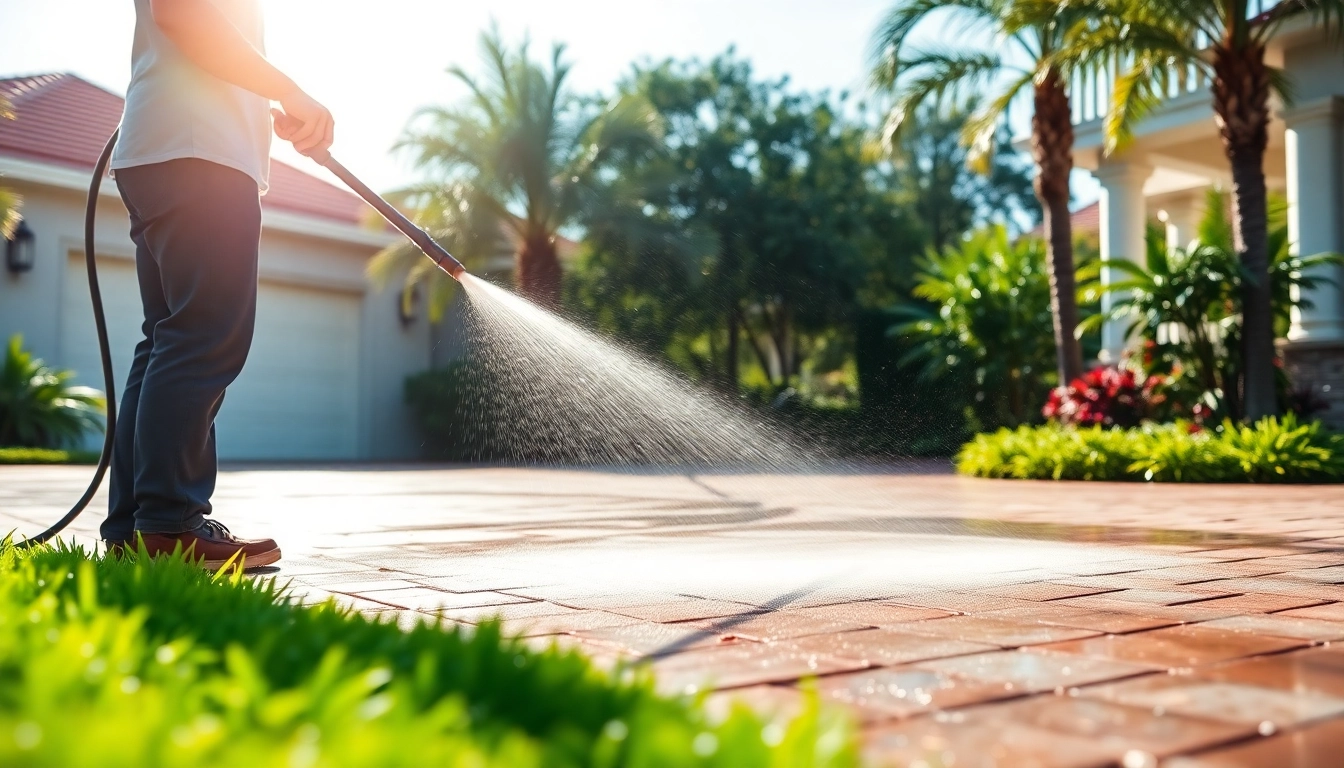
Understanding Driveway Pressure Wash Basics
Pressure washing your driveway is an essential home maintenance task that not only enhances the aesthetic appeal but also improves safety by removing slippery stains and debris. This process utilizes high-pressure water jets to clean surfaces effectively, ensuring that dirt, grime, and mildew are thoroughly eliminated. As property owners in Kissimmee, FL, you may find that maintaining a clean driveway can significantly boost your home’s curb appeal and longevity. For those seeking to understand more about driveway pressure washing, Driveway pressure wash services can offer comprehensive insights and professional assistance.
What is Driveway Pressure Wash?
A driveway pressure wash involves using specialized equipment to spray high-pressure water onto your driveway’s surface. This method is effective for a variety of materials, including concrete, asphalt, and pavers. The intense force of the water dislodges and washes away stubborn stains caused by oil, grease, dirt, and other contaminants, providing a deep clean that's often unattainable with regular cleaning methods.
Benefits of Pressure Washing Your Driveway
- Enhanced Appearance: A clean driveway significantly enhances the overall look of your property, creating a welcoming entry for guests and potential buyers.
- Increased Safety: Removing slippery substances reduces the risk of accidents caused by falls, especially during rainy seasons.
- Preventative Maintenance: Regular pressure washing can prevent more severe damage over time, such as cracks and infestations of weeds and moss.
- Long-Term Savings: Investing in pressure washing can extend the lifespan of your driveway surface and reduce the need for costly repairs or replacements.
Key Equipment and Tools Needed
To effectively perform a driveway pressure wash, specific tools and equipment are necessary. The key items include:
- Pressure Washer: A reliable pressure washer with a minimum of 2500 PSI is ideal for concrete surfaces.
- Surface Cleaner Attachment: This tool spreads the water pressure over a larger area, making the cleaning process more efficient and uniform.
- Eco-Friendly Detergents: Biodegradable detergents enhance cleaning efficiency while protecting the environment.
- Protective Gear: Safety goggles, gloves, and non-slip footwear are essential to ensure safety during the washing process.
Preparing Your Driveway for Pressure Washing
Before initiating the actual pressure washing process, it is crucial to prepare your driveway properly. This preparation involves assessing the type of material, any existing damage, and gathering necessary equipment.
Assessing Driveway Materials and Damage
Different driveway materials respond to pressure washing differently. For instance:
- Concrete: Highly durable and able to withstand high pressure, making it an ideal candidate for pressure washing.
- Asphalt: More delicate and should be washed with lower pressure to avoid damage.
- Pavers: Require careful inspection to ensure that the sand between them isn't displaced during washing.
Identifying any major cracks or damage beforehand allows you to address these issues either before or after the cleaning process.
Safety Precautions to Implement
Safety is paramount when pressure washing. Always ensure that:
- You are wearing appropriate safety gear, including goggles and gloves.
- The area is free from obstacles and electrical wiring to prevent accidents.
- You follow the manufacturer’s instructions for your pressure washing equipment.
Gathering Necessary Cleaning Supplies
In addition to your pressure washer, make sure you have all your cleaning supplies ready. This includes eco-friendly cleaners, brushes for scrubbing tough stains, and protective sheeting if you want to prevent overspray from reaching nearby plants or structures.
Step-by-Step Driveway Pressure Wash Process
Following a systematic approach during the pressure washing process ensures effective cleaning and safety.
Choosing the Right Pressure Settings
Select the appropriate pressure settings based on your driveway material:
- For concrete driveways, a pressure setting of 3000 PSI is usually sufficient.
- For asphalt driveways, start with lower pressure settings (around 1500 PSI) to avoid damage.
Applying Eco-Friendly Detergents
Before washing, apply a biodegradable detergent to the surface. Let it sit for about 10-15 minutes to break down tough stains. Make sure to follow the manufacturer’s instructions for dilution and application.
Techniques for Effective Cleaning
When ready to wash, use the following techniques:
- Start From the Top: Work from higher to lower areas to avoid washing dirty water back onto clean surfaces.
- Maintain Consistent Distance: Keep the nozzle about 12-18 inches from the surface for optimal results.
- Use Overlapping Strokes: Move the nozzle in a consistent motion, overlapping each stroke to ensure full coverage.
Common Challenges in Driveway Pressure Washing
While pressure washing provides excellent results, some challenges may arise during the process.
Addressing Stubborn Stains and Grime
Stains from oil, rust, or mildew can be particularly challenging. In such cases:
- Pre-treat stubborn stains with a dedicated cleaner before pressure washing.
- Use a brush to scrub tough spots if necessary.
Dealing with Weather Conditions
Weather can impact the effectiveness of your pressure washing. Avoid washing your driveway during high winds or if rain is expected soon after, as this can prevent proper drying and effectiveness of the cleaner.
Understanding Equipment Limitations
Each pressure washing unit has its limitations. Familiarize yourself with the equipment to avoid damage, especially when it comes to adjusting the pressure settings for different surfaces.
Maintaining Your Driveway Post-Wash
After washing, proper maintenance is critical for keeping your driveway in top condition.
Understanding Sealants and Coatings
Applying a sealant post-wash can protect your driveway from stains and UV damage. For concrete driveways, a high-quality sealant will fill in tiny cracks and create a protective layer against moisture infiltration.
Regular Maintenance Tips
Keep your driveway looking its best with these maintenance tips:
- Regularly sweep away debris and leaves to avoid stains.
- Address spills immediately to prevent staining.
- Consider an annual pressure wash to combat buildup.
When to Schedule Professional Services
While DIY pressure washing can be effective, scheduling professional services can save you time and ensure thorough cleaning. If you encounter stubborn stains, or if your driveway has extensive wear and tear, professional equipment and expertise can yield the best results.